Entry · Ref SZGNCZW5
When Your Commercial Building Needs Electrical Repairs: Signs You Shouldn't Overlook
- Posted
- 2026-11-18
- Last amended
- 2026-11-18
- Account
- @thecircuitdesk
Running a commercial building means keeping an eye on systems that most people never think about until something stops working. Electrical systems are one of those behind-the-scenes essentials. When they start to show trouble, the signs can be subtle. A flickering light here, a breaker that trips a little more often than it used to. Many facility managers learn to live with these small annoyances, but ignoring them can turn a minor issue into a major disruption. The key is knowing which warning signs matter and what they mean for your business.
Why Small Electrical Problems Deserve Attention
Commercial electrical systems handle much higher loads than residential setups. A single circuit might power several machines, bank of lights, or a piece of HVAC equipment. When something goes wrong, the consequences are not just a blown fuse. You could face equipment damage, costly downtime, or even a fire risk. The good news is that electrical systems usually give clear warnings before a serious failure. The trick is to recognize those warnings and act on them promptly.
Frequent Circuit Breaker Tripping
A circuit breaker is designed to protect the wiring by shutting off power when the circuit draws too much current. Occasional tripping can happen, especially if you plug in a heavy piece of equipment. But when a breaker trips regularly, even under normal loads, that is a sign that something is wrong. The problem could be a short circuit, a ground fault, or simply an overloaded circuit that needs to be split. A facility manager might be tempted to just reset the breaker and carry on. That approach works until the day the breaker fails to trip and the wiring overheats. If you notice the same breaker tripping repeatedly, it is time to call a qualified electrician to trace the cause.
Signs of an Overloaded Circuit
An overloaded circuit happens when too many devices are connected to one line. The breaker trips to prevent overheating. But sometimes the breaker does not trip fast enough, or the wiring itself gets hot. Other signs include warm outlet covers, a buzzing sound from the panel, or a faint smell of heated plastic. These symptoms mean the circuit is working beyond its design capacity. The fix is not a bigger breaker; it is redistributing the load or adding a new circuit.
Flickering or Dimming Lights
Flickering lights are easy to dismiss as a bad bulb or a loose connection at the fixture. In many cases that is true. But if the flickering happens across multiple fixtures, or if it coincides with a major appliance starting up, you may have a voltage drop or a loose connection somewhere in the building's main wiring. Voltage drop can damage sensitive electronics, including computers, security systems, and manufacturing controls. A persistent dimming when the HVAC kicks on might indicate that the building's electrical service is undersized or that a connection in the panel is corroded. A professional can measure voltage at different points to locate the source. Ignoring flickering lights can lead to premature equipment failure and, in some cases, an electrical fault that causes a fire.

Outlets That Feel Warm or Show Discoloration
An outlet should never feel warm to the touch. If it does, there is resistance in the connection, which generates heat. Over time, that heat can damage the outlet, the wiring behind it, and even the wall material. Discoloration around the outlet plate, such as yellowing or browning, is another red flag. It indicates that the outlet has been overheating for a while. The same goes for plugs that feel hot when you unplug them. These are not problems to put off. A hot outlet is a fire hazard. The cause is often a loose wire, a damaged receptacle, or a device that draws too much current for that outlet. A licensed electrician should inspect and replace any suspect outlets immediately.
Burning Smells or Unusual Sounds
Any electrical smell, often described as a fishy or metallic odor, means something is burning inside a panel, outlet, or device. The smell comes from melting insulation or plastic. If you notice it, turn off the power to that area if it is safe to do so, and call for professional help right away. Similarly, buzzing, sizzling, or popping sounds from a panel or outlet indicate arcing. Arcing generates intense heat and can easily start a fire. Do not wait to see if it goes away. Electrical problems only get worse with time.
Frequent Power Loss in One Area
If a section of the building loses power repeatedly, even after resetting breakers, there could be a deeper issue. It might be a loose connection in the panel, a failing breaker, or a problem with the utility feed. Power loss that affects only certain circuits can also point to a short circuit or a ground fault. These conditions are dangerous because they can cause arcing and fire, and they also make the affected area unusable. A thorough safety inspection by a qualified electrician can identify the root cause and prevent future outages.
Control Panel Warning Signs
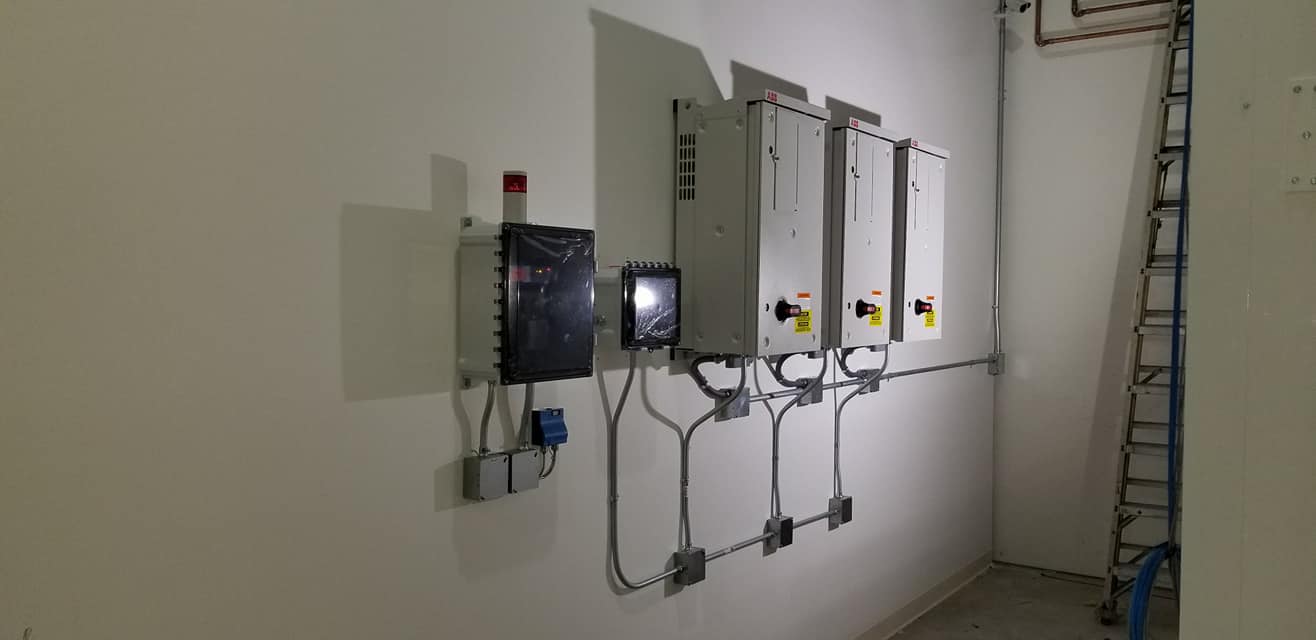
Modern commercial buildings often have a main control panel or a distribution board that houses breakers, fuses, and monitoring equipment. Signs of trouble in the panel include rust or corrosion, water stains, signs of pests, or a panel that runs hot. Corrosion on connections increases resistance, which leads to heat and potential failure. Water intrusion near any electrical equipment is an emergency. Even a small leak can cause a short circuit that damages the panel and shuts down power to a large part of the building. Regular visual checks of the control panel area, keeping it clean and dry, are simple steps any facility manager can take. But if you see any of these signs, bring in a professional to assess the condition of the equipment.
Voltage Drop During Normal Operation
Voltage drop is the loss of electrical potential along a conductor. It happens on every circuit to some degree, but excessive drop is a problem. Symptoms include lights that dim when equipment starts, motors that run hot, and electronics that malfunction or fail early. Voltage drop is often caused by undersized wiring, long runs of cable, or poor connections. A commercial electrician can measure voltage at various points to see if the drop exceeds acceptable limits. If it does, the solution may involve upgrading wiring, adding a sub-panel, or redistributing loads. Ignoring voltage drop wastes energy and shortens the life of equipment.
The Role of Professional Commercial Wiring Repairs
When any of these warning signs appear, the right response is to call a licensed electrician who specializes in commercial work. Commercial electrical systems are more complex and higher-voltage than residential ones. The wiring, breakers, and panels are built to different standards. A facility manager's job is to notice the signs and then bring in the right expertise. Attempting to fix a problem without training can lead to injury, code violations, or worse. This is where professional commercial wiring repairs come in. A qualified electrician will diagnose the issue, make safe repairs, and ensure the system meets current codes. They have the tools and knowledge to handle everything from a loose outlet to a main panel replacement. Trusting the job to a professional saves time, money, and peace of mind.
Prevention Through Regular Maintenance
Many electrical problems can be prevented with routine inspections. A yearly check by a commercial electrician can catch loose connections, corroded components, and overloaded circuits before they cause trouble. During an inspection, the electrician will check the main panel, sub-panels, outlets, and major equipment. They will also look for code violations that could become hazards later. Regular maintenance is not expensive compared to the cost of an emergency repair or a fire. It also helps keep your building safe for employees and customers.
What This Means for Facility Managers
As a facility manager, you are the first line of defense for your building's electrical system. You do not need to be an electrician, but you do need to know what to look for. Flickering lights, warm outlets, tripping breakers, and odd smells are not just minor annoyances. They are signals that something is wrong. Responding quickly can prevent a small problem from becoming a major crisis. When you call for professional commercial wiring repairs, you are investing in the reliability and safety of your operation. That kind of proactive approach keeps your business running smoothly and avoids the headache of unexpected downtime.
Commercial electrical service is not something to take for granted. It powers everything from lights and computers to production lines and security systems. When you notice a warning sign, treat it seriously. A short delay can turn a simple fix into a costly repair. Stay alert, act fast, and rely on qualified professionals to keep your electrical system in top shape.